
Freight consolidation is the decision that separates an importer who pays for what they move from one who pays for the space they booked. The question is not “LCL or FCL” in the abstract: it is how much room the goods take, how many suppliers they come from, and what the waiting time costs.
What are FCL and LCL, plainly?
Freight consolidation comes in two shapes. FCL is a full container: you pay for the container whether it goes full or half empty. LCL is loose cargo sharing a container with other people’s goods: you pay according to the volume or weight of the cargo.
The break-even point is not a fixed number, because it depends on the lane and the season. What is stable is the shape of the curve: at low volume LCL is cheaper; past a certain point a full container costs the same or less than the equivalent loose cargo, and it travels better.
What freight consolidation charges that the rate does not show
A shared freight consolidation rate per cubic metre looks very competitive next to the price of a container. The difference shows up at destination, and it is not small: consolidated cargo goes through deconsolidation, and that service is charged.
On top of that, an LCL shipment is handled more times. It is loaded at a warehouse, stowed alongside somebody else’s goods, unloaded at destination and separated. Every handling is a chance for damage, and the buyer did not choose the cargo travelling next to theirs.
There is a time cost too. A consolidated container waits to fill, and then waits for every lot inside it to clear before it releases. A single lot with a paperwork problem delays the rest.
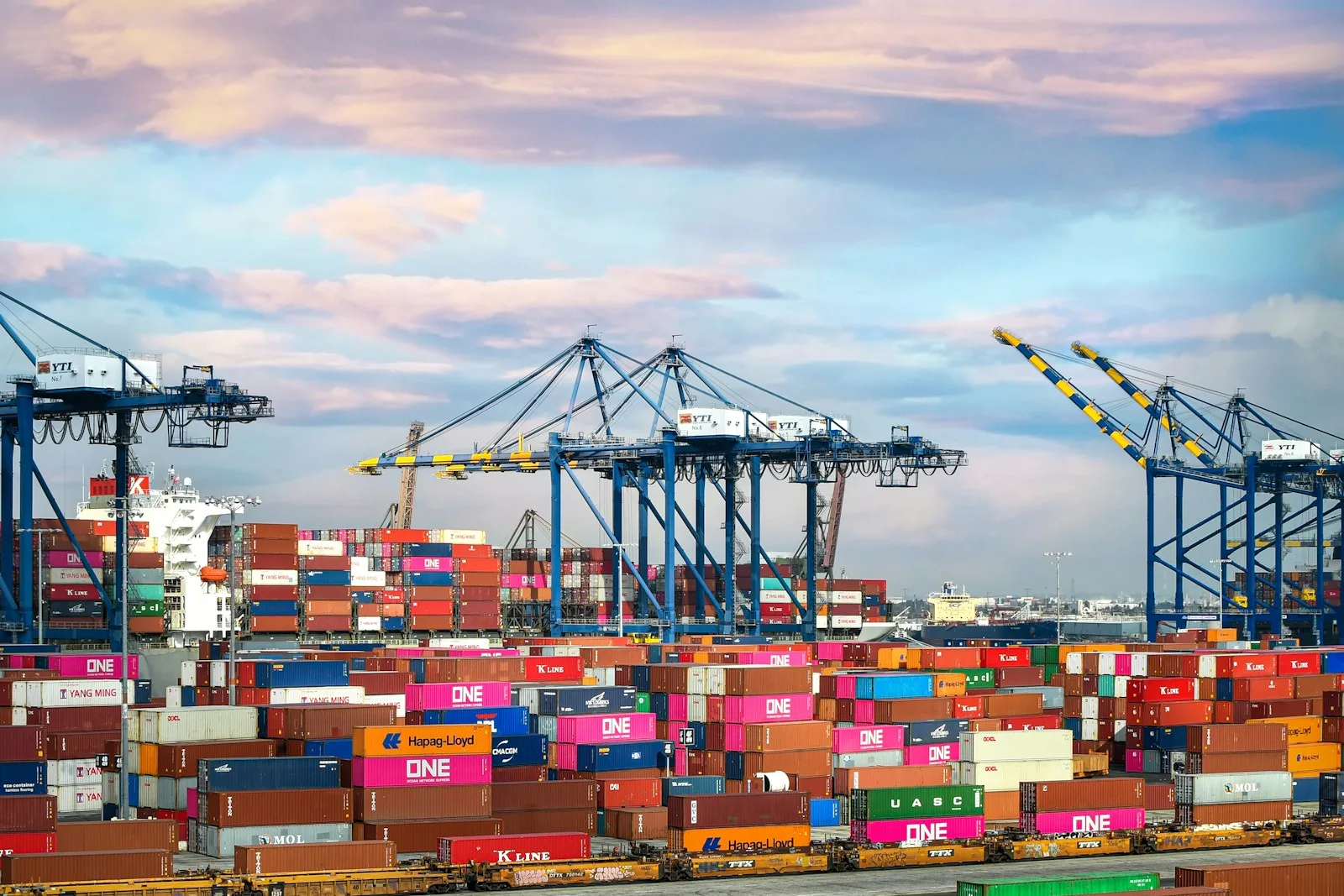
Freight consolidation at origin works the other way round
There is a case that gets confused with LCL and behaves in reverse. When a buyer purchases from three or four different factories, all that cargo can be gathered at a warehouse in China and shipped as their own container.
That is not shared cargo: it is an FCL built from several orders. And it changes a number of things at once.
- One shipment instead of three. Fewer documents, fewer clearances and one set of fixed charges.
- The container belongs to the buyer. No third-party cargo inside and no waiting on strangers.
- There is a checkpoint before the Pacific. If a supplier shipped short or shipped damaged, it shows up at the warehouse rather than two months later.
The catch is that it needs someone at origin to receive, count and verify. Without that, the warehouse is just a place where cargo waits.
One detail decides more than it seems: who stows the container. Thoughtful stowage uses the height and packs cartons by weight; rushed stowage leaves gaps, and those gaps are paid for as if they were product.
Proper freight consolidation is not just putting boxes together: it is deciding what goes in first, what goes underneath and what cannot travel next to what, as the International Maritime Organization’s IMDG Code requires for incompatible substances. A lot of chemicals and a lot of textiles do not share a container by accident.
When does each one make sense?
- Small volume, one supplier. LCL, no argument. Paying for a container to fill it a quarter of the way is not justified unless the cargo is fragile or urgent.
- Volume close to a container. Worth pricing both and comparing door to door. Often an FCL comes out similar and arrives sooner.
- Several suppliers. Here origin freight consolidation usually wins by a distance, and not only on price: on control.
The numbers you need before deciding
- Real volume and weight, with packaging. Product dimensions are no use: what travels is the master carton.
- How many suppliers there are and whether they are near each other.
- How urgent the cargo is. The waiting time of a consolidation is real and belongs in the calculation.
- What a shortage costs. That sets how much a checkpoint at origin is worth.
With those four numbers, freight consolidation stops being a preference and becomes a calculation. Which is what it should be: the answer changes from order to order, and it is worth recalculating whenever the volume or the season changes.
Frequently asked questions
Why can a cheap LCL rate end up costing more?
Because the rate per cubic metre does not show everything. At destination, consolidated cargo goes through deconsolidation, and that service is charged; the shipment is handled more times, with more chances of damage; and the container waits to fill and for every lot inside to clear, so one lot with a paperwork problem delays the rest.
What is freight consolidation at origin?
It means gathering cargo bought from several factories at a warehouse in China and shipping it as the buyer’s own container: an FCL built from several orders, not shared cargo. It gives one shipment and one set of fixed charges, no third-party cargo and a checkpoint before the Pacific, but it needs someone at origin to receive, count and verify.
Is there a fixed volume at which a full container makes sense?
No. The break-even point between LCL and FCL depends on the lane and the season. What is stable is the shape of the curve: at low volume loose cargo is cheaper, and past a certain point a full container costs the same or less than the equivalent loose cargo, and it travels better.
What numbers do you need to decide on freight consolidation?
Four, all from the order: real volume and weight with packaging, because what travels is the master carton; how many suppliers there are and whether they are near each other; how urgent the cargo is; and what a shortage costs. The answer changes from order to order and is worth recalculating when the volume or the season changes.