
At APEC this month, Mexico’s tariff of up to 50% on imports from countries without a trade agreement came back into the news. With it came a distinction many buyers still blur: the duty depends on where the factory made the goods, not on the port that shipped them. That puts the China certificate of origin on the list of documents you settle with your supplier before production, while you still have leverage. As UnoTV noted, the reform covers 1,463 tariff lines across 17 sectors. It also pointed out that not every product coming from China pays 50%.
Pressure is coming from the north as well. According to Expansión, China accounted for 45 of the 97 compensatory duties (cuotas compensatorias) in force in Mexico at the end of July 2026. The same report says Greer is seeking stricter rules of origin to reduce the use of inputs from outside North America. Washington also wants to stop Chinese goods from passing through Mexico to avoid tariffs. So the origin documents you collect in China now feed straight into your landed cost.
Country of origin and country of shipment are different things
Country of origin is where the factory produced the goods. Country of shipment, which Mexican paperwork calls país de procedencia, is the place the goods left from. For example, a lamp made in a Chinese factory and routed through a warehouse in a third country still has Chinese origin. We explain how Mexico treats the gap between the two in our guide to country of origin verification.
The gap matters because Mexico grants no tariff preference to Chinese goods. The reform published in the DOF on December 29, 2025 took effect on January 1, 2026. Under it, goods originating in economies without a trade agreement can face the general tariff, as UnoTV explained. In addition, Infobae reported that Mexico and China agreed to create a working group. However, Mexico does not plan a free trade agreement with China, only cooperation mechanisms. Nothing on the horizon changes how Mexico taxes goods made in China.
When Mexico requires a China certificate of origin
Because there is no FTA, a certificate of origin will not lower the regular duty on Chinese goods. Its role sits elsewhere. According to Camtom, a specialized customs blog, the certificate is mandatory when compensatory duties are in force, to prove or rule out Chinese origin. Without it, Camtom says, the maximum residual duty applies.
China holds 45 of those 97 duties, so you should check each new product against the official list before you order. That list appears in the Diario Oficial de la Federación (DOF) and in SIICEX. Your customs broker can then tell you whether your tariff line carries a compensatory duty and whether you need a China certificate of origin for that shipment.
CCPIT or China Customs: what to ask your supplier
Camtom states that only two issuers are valid for Mexico: CCPIT and China Customs. Any other document, however official it looks, does not replace them. Before you release production, ask your supplier to confirm these points in writing:
- The certificate will come from CCPIT or China Customs.
- The tariff classification appears with at least six digits, as Camtom recommends, and matches your commercial invoice.
- The product description matches the invoice and the packing list.
- The producer named on the certificate is the factory you audited, not an intermediary.
- The issue date fits the shipping date in a way Mexican customs accepts. Your broker should confirm this rule for you.
Treat this list as a starting checklist. Your customs broker should check each point against the Ley Aduanera and the current foreign trade rules (RGCE) before you rely on it.
Why origin is proven at the factory
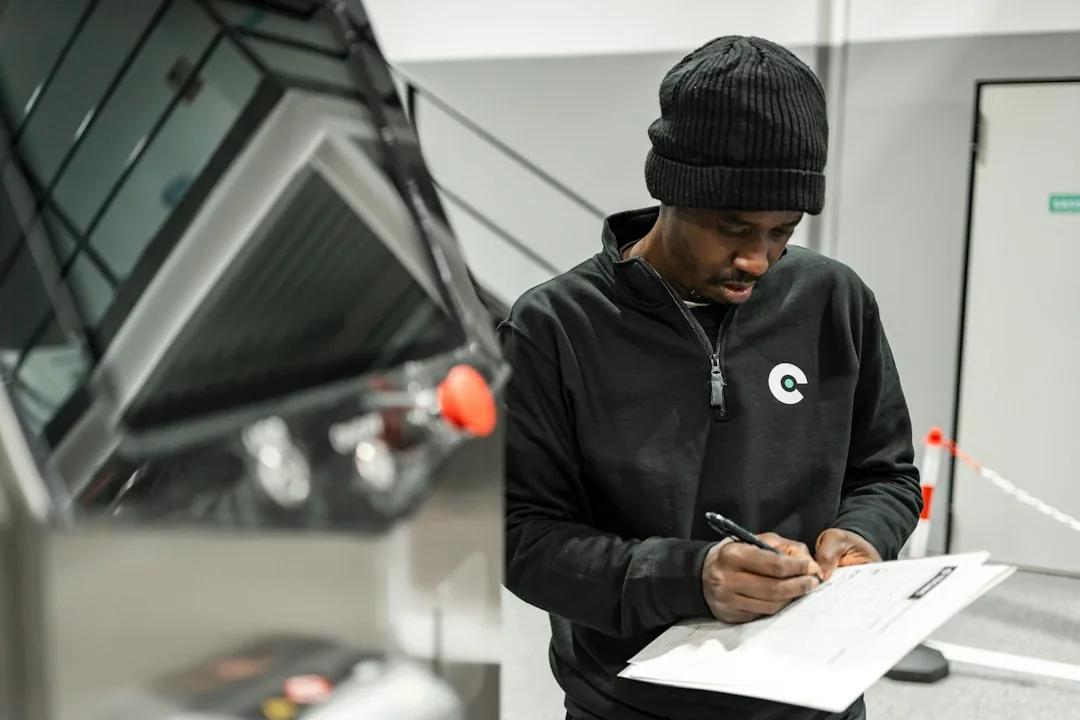
The certificate reflects what the supplier declares. If you buy from a trading company that presents itself as a manufacturer, the producer on paper may not be the plant that made your goods. In that case, the document and the shipment tell different stories, and you face that gap at Mexican customs.
For that reason, BiiLinx works with its own team and offices in Shenzhen. Someone from the group can walk into the plant, confirm who produces the order and review the export paperwork before production starts. Our purchasing consulting service covers supplier search, verification and negotiation. The 360 Method explains how we structure that process.
Assembly in Mexico and the USMCA review
Some buyers assume that finishing a product in Mexico settles the origin question. It does not. A Calder & Vale analysis states that “a plant in Mexico does not by itself confer USMCA origin.” Chinese inputs can also defeat the tariff shift rule when they carry the essential character of the product without sufficient transformation.
According to the same analysis, the USMCA joint review formally opened on July 1, 2026. It also notes that CBP requires five-year recordkeeping under 19 CFR Part 182. Separately, the Associated Press reported that the US is preparing to raise tariffs on China, the European Union and 14 other economies. The basis is an investigation under Section 301 of the Trade Act of 1974. However, AP said the tariff levels and the timing were not yet clear. Therefore, if you use Chinese components in products you later sell to the US, file the supplier’s origin documents as carefully as your invoices.
What to do before your next order
Start with your product list, then move to the supplier. First, check which tariff lines carry compensatory duties and decide which orders need a China certificate of origin. Next, write the certificate terms into the purchase order: issuer, classification and description. Finally, confirm that the producer on paper is the factory you visited.
BiiLinx can help on three fronts: finding and verifying manufacturers, visiting and inspecting the plant, and supporting the negotiation where those document terms get agreed. If you want someone on the ground in Shenzhen before your next order, talk to our team.
This article is general information, not customs advice. Confirm your tariff classification and your obligations with your customs broker before you import.