
The last sailing of ASAS2, the Asia-South America service that Maersk and CMA CGM share, leaves Shanghai on December 8, according to Ti Insight. That date matters for anyone planning China to Latin America logistics for the first quarter of 2027. In addition, the trade truce between the United States and China now runs only to January 10. Meanwhile, Chinese exports keep growing faster than economists expected.
Put together, these facts lead to one practical conclusion. The service you book today may not exist in January, and the cost framework behind it may shift that same month. That is not a reason to stop ordering. However, it is a reason to check route, port and carrier before you sign the next purchase order, and not once the goods are ready.
This article covers what changes, why the dates cluster in January, and what a sourcing team can ask its suppliers and forwarders this month.
What changes on Asia-South America services in December
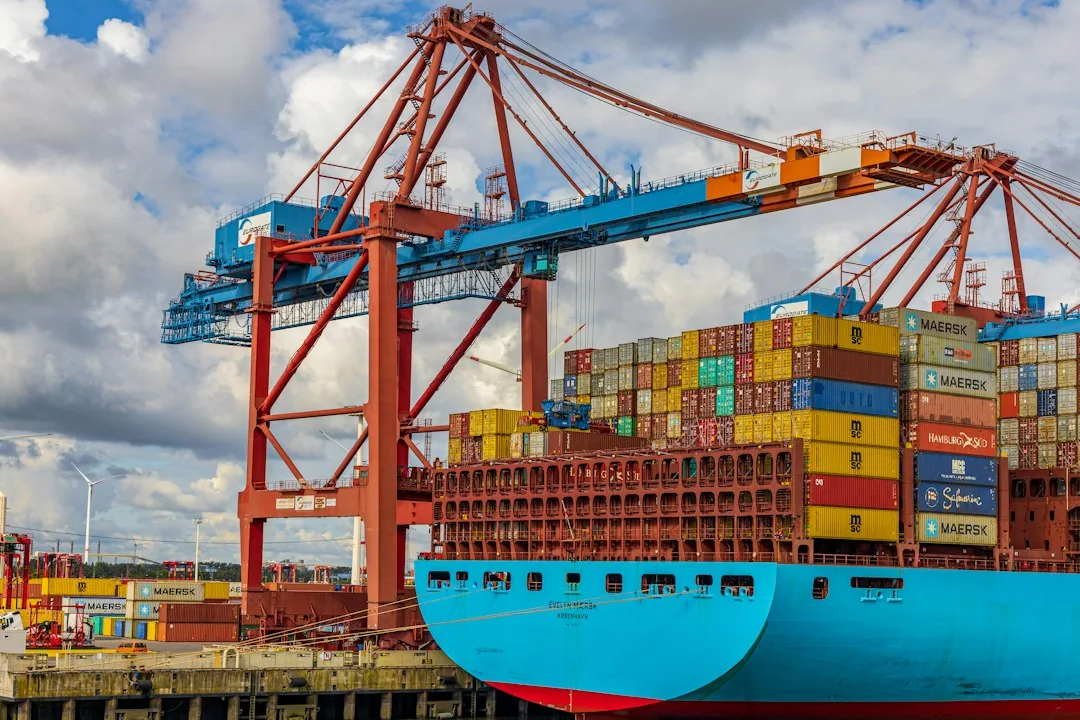
Carriers are reshaping their Asia-South America networks right before the pre-holiday rush. After ASAS2 ends, CMA CGM starts SEAS2 from Tianjin on December 14 and SEAS A from Ningbo on December 17, Ti Insight reports. COSCO, for its part, adds a third weekly connection, ESA 3, in mid-December.
The same source adds a caveat. The announcements “don’t yet establish whether overall capacity will rise or fall.” In other words, more service names do not guarantee more space for your cargo. Therefore, any booking that relied on ASAS2 needs a new home, and the loading port may change too.
On the west coast, the WSA2 service that COSCO, Evergreen, PIL and Wan Hai share adds a call at Busan from November 23, 2026, according to Kuehne+Nagel. The service runs eleven vessels with an average capacity of 12,000 TEU. Its rotation includes Lázaro Cárdenas, Puerto Quetzal, Callao, Guayaquil and Manzanillo. Further out, ONE’s SX1 will run jointly with MSC from April 1, 2027, with a rotation still “subject to further operational review.”
Why China to Latin America logistics needs a plan B dated January 10
China’s Ministry of Commerce said the extended truce “runs to January 10,” The National reports. During that window, China suspends its 24% tariff on US goods for two months but keeps a 10% rate. In turn, the United States extends 178 Section 301 tariff exclusions for Chinese goods.
A second deadline sits right next to it. The USTR again suspended its Section 301 fees on maritime transport services, along with duties on ship-to-shore cranes and other cargo handling equipment from China, starting November 9, 2026. The original suspension lasted one year, Holland & Knight explains. This time it lasts about two months. The highlights give 11:59 p.m. ET on January 9, 2027, while the body and the HTS codes show January 10.
None of these measures targets Latin America directly. Even so, the carriers that connect Asia with Latin America also operate on the transpacific. As a result, a January cost change on US-China trade could reach other lanes through carrier pricing. That link is our reading, not a stated fact. Still, it justifies a dated contingency plan. January is also the final stretch before Chinese New Year, which already pushes Latin American shipping deadlines earlier.
Why a global freight index will not price your lane
Demand for space out of China remains high. Chinese exports grew 35.2% year on year in October 2026, above the 33.5% that economists polled by Reuters expected, CNBC reports. Imports rose 41.6%, and the ten-month surplus reached $1.04 trillion. The report does not break out Latin America. Even so, Latin American importers compete for the same vessel space as everyone else. Consequently, a late booking or a single-service plan carries more risk.
Rates send a calmer signal. Drewry’s World Container Index fell 1% to $4,389 per 40ft container on November 5, according to Drewry. However, the public page includes no lane to Latin America. A global composite shows the direction of the spot market. It does not tell you what a container to Manzanillo or Callao will cost next month.
For that reason, quote by lane and by service. Ask for the carrier, the service code and the validity date on every quote. A price without those three fields is hard to compare and easy to revise.
Reading a rotation before you choose Manzanillo or Lázaro Cárdenas
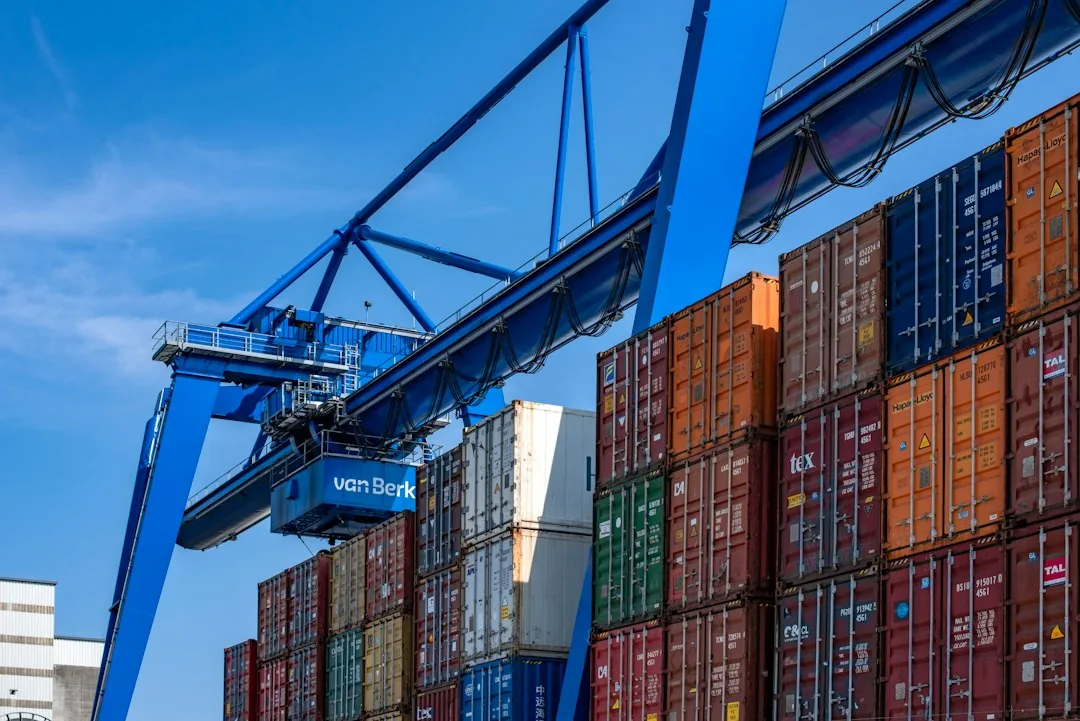
When a service adds a call, every port after it in the rotation can face a new transit time and a new cut-off. For Mexican importers, the choice between Manzanillo and Lázaro Cárdenas depends on which services call each port and in what order. Before you pick one, check three things:
- Where your port sits in the rotation, and how many calls come before it.
- Whether the service is direct or depends on a transshipment.
- Which partner carrier actually operates the vessel, because shared services split space among several lines.
Then compare the rotation with your inland plan. A port closer to your warehouse saves little if the vessel reaches it days later. If you want routing reviewed together with the purchase, see our logistics from China service. For the Mexico-China corridor, OptiChina adds warehousing under a special tax regime, which gives you a buffer when a sailing moves.
A pre-booking checklist for Q1 2027 orders
None of this calls for a new process. Instead, it puts China to Latin America logistics on the same checklist as price and quality.
- Quote validity. Ask every forwarder for a written validity date, and check whether it crosses January 10.
- Service and rotation in the booking. Confirm the service code and port rotation on the booking confirmation, not only on the quote.
- Vessel change clause. Agree with your Chinese supplier on who absorbs the cost if the vessel or service changes after the cargo-ready date.
- Incoterm review. Under FOB, you control the booking. Under CIF, the supplier does. Know which risk you hold.
- Cargo-ready date with margin. Set it ahead of the last sailing you can accept, not on it.
- Insurance and tracking. For high-value orders shipping between December and January, consider all-risk cargo insurance and GPS or satellite tracking, given the transshipments and service changes.
What to do before the next purchase order
Start with the orders that ship in December and January. Map each one to its current service, and then check that service against the changes above. If a booking relied on ASAS2, rebook now instead of in the first week of December.
Next, reopen the conversation with your supplier. A production delay of a few days can push cargo past a cut-off and onto a different service. Therefore, the purchase and the shipment need one timeline, agreed in writing. In practice, sound China to Latin America logistics starts at the factory, well before the booking.
This is where a team on the ground helps. BiiLinx works from its own office in Shenzhen, so someone from the group can visit the factory, inspect the goods before loading and confirm the real cargo-ready date. We also find and verify manufacturers and support the negotiation, including shipping terms. To review your next order with us, see our purchasing consulting service.